
Atlassian identity expertise

miniOrange for Atlassian SSO, identity, and access
Ovyka supports Atlassian environments that need to structure authentication, provisioning, and access control.
miniOrange options must be qualified by app, Atlassian product, version, and hosting model. Ovyka frames SAML or OIDC SSO, SCIM provisioning, MFA, and API authentication around IAM constraints and fallback access.
Needs and solutions
Qualify the right capability before selecting an app
An IAM need does not automatically map to a single app. The Atlassian product, version, hosting model, IdP, and affected journeys determine the solution to evaluate.
SAML or OIDC
Federate user login with the selected IdP, based on the protocols and journeys supported by the app and product.
SCIM
Provision or deactivate accounts and groups when the scope’s SCIM capabilities can carry the expected rules.
MFA
Add a factor or rules suited to relevant populations without assuming identical coverage across every journey.
API authentication
Protect technical calls with a suitable mechanism. This need is distinct from SSO used for interactive user login.
Configuration and control
Three journeys to design and test separately
Each journey involves different settings, dependencies, and recovery scenarios. Scoping aligns Atlassian, IAM, and security teams around explicit responsibilities.

Configure SAML federation
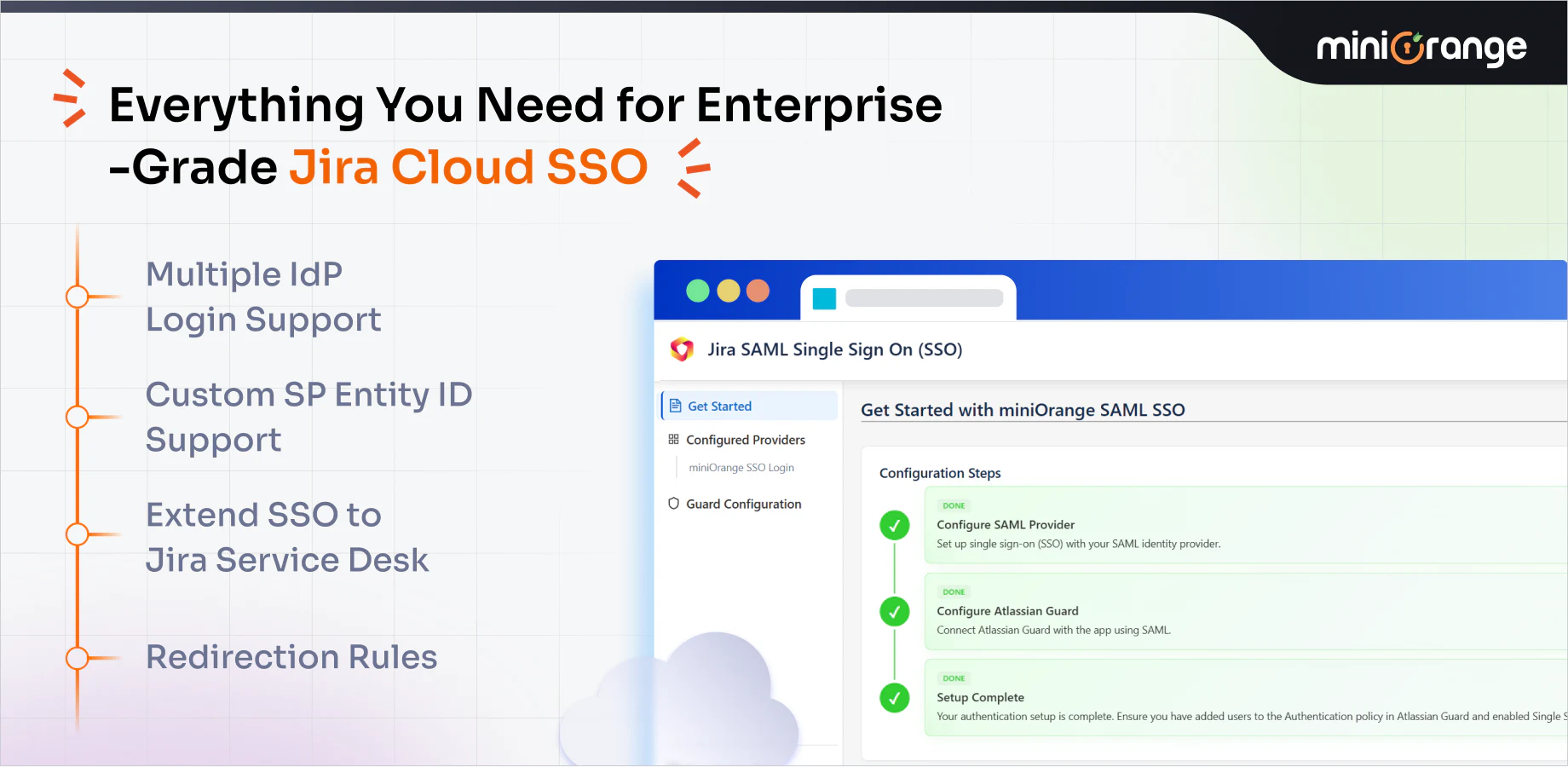
Align metadata, certificates, attributes, domains, and login journeys, then test standard access and fallback administrator access.
Frame SCIM provisioning
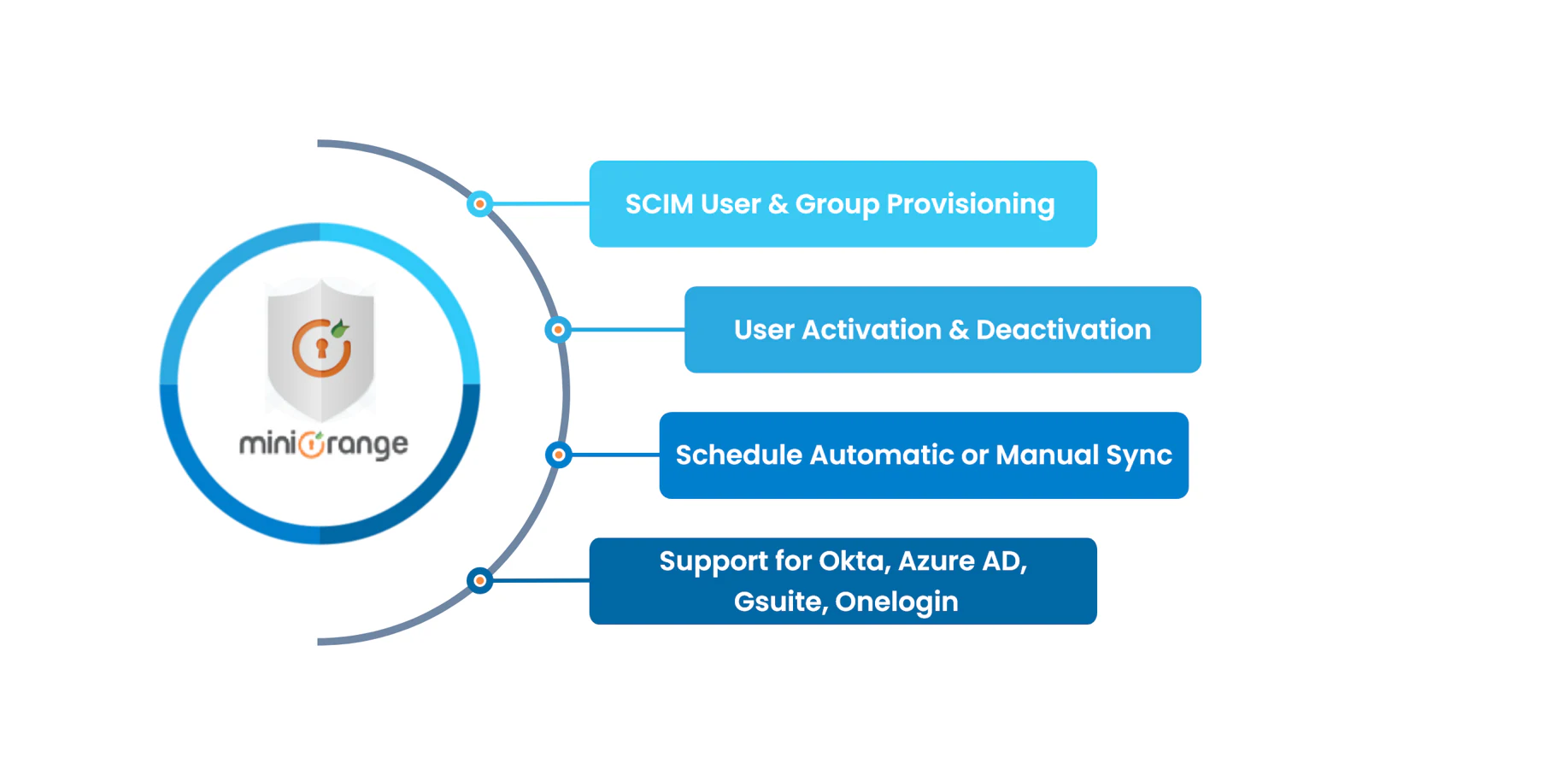
Define sources of authority, mappings, groups, deactivation, and controls to limit orphaned accounts and permission drift.
Roll out MFA progressively
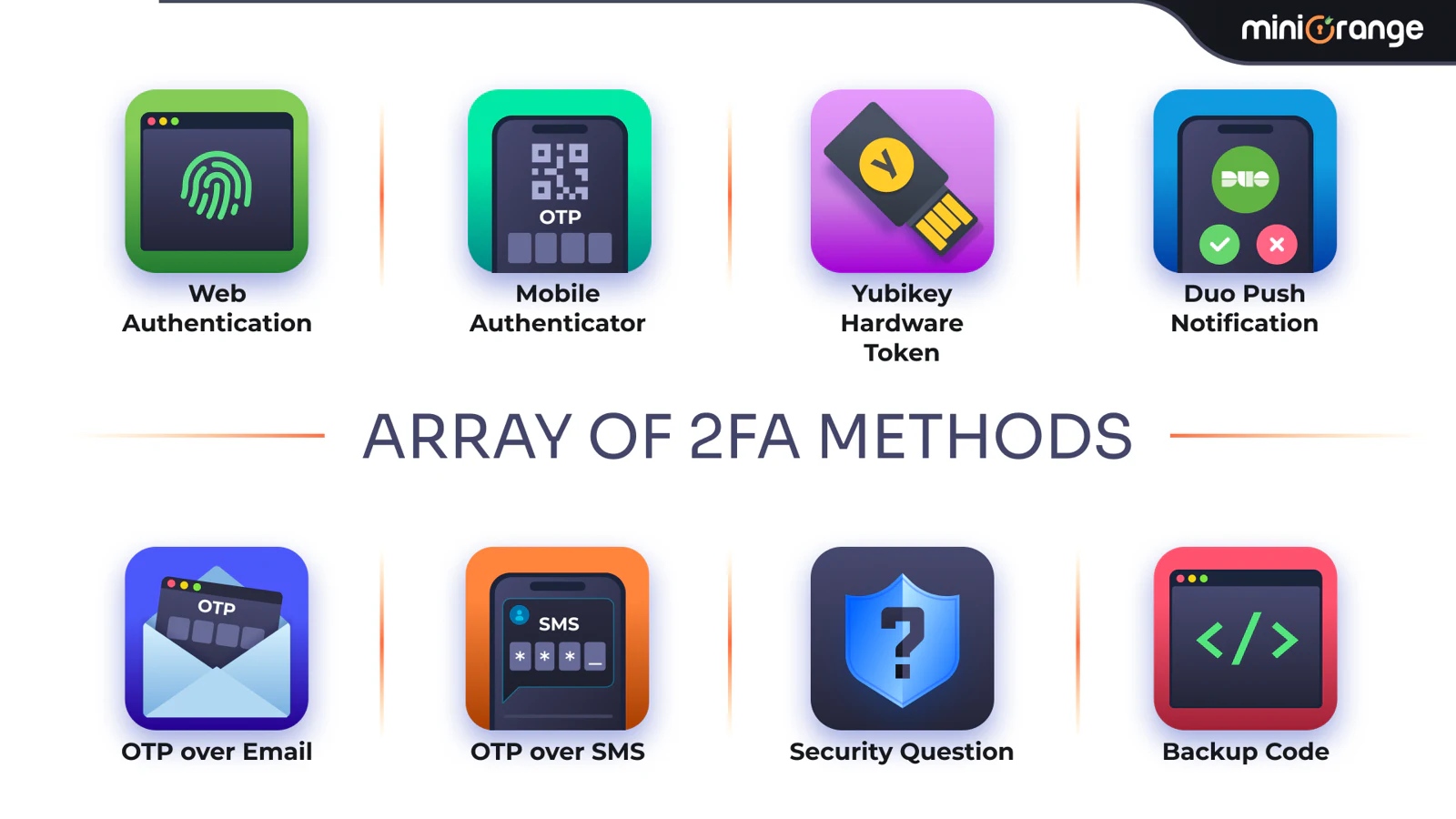
Qualify covered populations and journeys, prepare justified exceptions, and validate controlled recovery to reduce lockout risk.
Architecture decision
Cloud or Data Center: the same need, options to verify
A capability name does not guarantee the same implementation. The decision must start from the app that is actually available and the selected identity architecture.
Atlassian Cloud
Verify the app, its scope, native Atlassian capabilities already enabled, the IdP, domains, and limits specific to the relevant Cloud offering.
- Responsibilities across Atlassian, the IdP, and the app
- Affected user and administrator journeys
- Available provisioning, logging, and recovery mechanisms
Atlassian Data Center
Verify compatibility with the product and version, topology, directories, proxies, and the app deployment model.
- App compatibility and upgrade strategy
- Certificates, metadata, and network paths
- Fallback access, cutover testing, and emergency procedures
SSO / SCIM / security
What is miniOrange for?
Scope depends on the selected app, Atlassian product, version, and hosting model. Each capability therefore needs verification before design.
Single Sign-On
Connect user login journeys to an identity provider through SAML or OIDC when the app and environment support it.
Provisioning and SCIM
Automate user creation, updates, groups, and deactivation when the product, app, and hosting model support it.
MFA and access rules
Strengthen selected login journeys by population, domain, or security requirement after qualifying available capabilities.
Atlassian apps
Qualify available apps for Jira, Confluence, Bitbucket, Bamboo, Crowd, or other products without assuming equivalent coverage.
miniOrange
What miniOrange brings
In complex Atlassian environments, miniOrange apps help align application administration, IAM, and security requirements.
Centralized control
Identity settings can be aligned with company policies and existing identity providers.
User lifecycle
Provisioning limits orphaned accounts, obsolete groups, and recurring manual interventions.
Operational security
Access rules, logs, and fallback options reduce risk during IAM changes.
Atlassian adaptation
Configuration must account for Jira, Confluence, portals, directories, and permissions.
IAM / security / administration
Frequent use cases
Ovyka frames miniOrange around your directories, security constraints, Atlassian usage, and migration scenarios.
SSO for Data Center
Implement centralized authentication for Jira, Confluence, or Bitbucket without disrupting users.
User provisioning
Synchronize accounts and groups to make permissions, licenses, and access lifecycle more reliable.
Progressive security rollout
Prepare cutover, tests, fallback access, and recovery procedures to reduce production lockout risk.
Ovyka
Ovyka guidance
Ovyka connects Atlassian expertise and IAM practices to integrate miniOrange while reducing risk to critical access.
- 01 Audit Atlassian products, directories, groups, permissions, and login flows
- 02 Qualify miniOrange apps by need, Atlassian product, version, and hosting model
- 03 Prepare metadata, certificates, access rules, and fallback scenarios
- 04 Configure and test admin, user, and portal journeys
- 05 Document operations, certificate renewal, fallback access, and emergency procedures
- 06 Train administrators and support the progressive cutover
Operations / evolution
Identity and security over time
IAM topics evolve with directories, security policies, certificates, apps, and Atlassian products.
- Qualification of suitable apps and capabilities
- Guidance for SSO, SCIM, MFA, and access-rule configuration
- Preparation for migrations, certificate renewals, and IdP changes
- Review of permissions, groups, and risky accounts
- Documentation and handover to administration teams
FAQ
Frequently asked questions about miniOrange and Atlassian
Answers depend on product, version, hosting, and app. A short qualification avoids designing around a capability that is not available.
SAML or OIDC: which protocol should be used for SSO?
The choice depends on the IdP, miniOrange app, Atlassian product, version, and hosting model. Attributes, login journeys, and security requirements also need verification before selecting a protocol.
Is SCIM available for every Atlassian product?
Universal availability should not be assumed. Provisioning and group management must be verified for the relevant app, product, version, hosting model, and identity source.
Does miniOrange MFA cover every user and access path?
Coverage can vary by app and journey. Scoping should identify populations, portals, administrator access, and exceptions, then test recovery mechanisms before cutover.
Does API authentication replace user SSO?
No. SSO handles interactive user login, while API authentication protects technical calls. Identities, secrets, permissions, and lifecycles should be managed separately.
How can lockout risk be reduced during an IAM migration?
Controlled fallback accounts and access paths, population-based testing, documented recovery, and a progressive cutover reduce risk. They do not support a promise of zero lockouts.
Ovyka × miniOrange
Planning an SSO, SCIM, MFA, or API access project?
Share your Atlassian products, versions, hosting model, IdP, and critical journeys. We will help qualify useful capabilities and prepare an implementation that can be tested.
Atlassian Marketplace
Other Atlassian Marketplace partners
Complete miniOrange with test management, time tracking, or synchronization.